Everest Trekking overview
The Everest Base Camp trek is an exhilarating adventure that takes you through stunning landscapes, Sherpa villages, and high-altitude terrains, all the way to the base of the world’s highest mountain, Mount Everest. The trek requires essential permits and acclimatization to the high altitudes. Along the journey, trekkers will encounter diverse weather conditions, ranging from chilly temperatures at night to warmer daytime climates. Accommodation is provided in basic tea houses, with meals and overnight stays along the route. Physical preparation, health precautions, and respect for local culture are essential for a successful and enjoyable trek.
Trekking Permits and Fees
To trek to Everest Base Camp, trekkers are required to obtain two essential permits: the Sagarmatha National Park Permit and the Khumbu Pasang Lhamu Rural Municipality Permit. These permits are mandatory for entry into the national park and the Khumbu region. They can be obtained in Kathmandu or Lukla.
Altitude and Acclimatization
The trek ascends to high altitudes, with the highest point being Kala Patthar at 5,545 meters. Acclimatization is crucial to minimize the risk of altitude sickness. Rest days in Namche Bazaar and Dingboche are incorporated to help the body adjust to the thinning air.
Weather and Temperature
Weather conditions can be extreme, particularly at higher altitudes. During the spring and autumn months, temperatures at Everest Base Camp can range from -10°C to 15°C during the day, and nighttime temperatures can fall below freezing. Packing warm, layered clothing is essential.
Trekking Gear and Packing List
Essential trekking gear includes trekking boots, a down jacket, a sleeping bag, trekking poles, sunglasses, and waterproof clothing. A first-aid kit, sunscreen, and personal medications are also necessary for a safe and comfortable journey.
Tea Houses and Accommodation
Accommodation is provided in tea houses or lodges along the trek. These provide basic amenities, including a bed, blanket, and meals. As trekkers ascend to higher altitudes, the facilities become more basic but remain safe and comfortable for rest.
Porters and Guides
Hiring a guide and/or porter is highly recommended for trekkers. Guides assist with navigation, provide information on local culture, and ensure safety. Porters help carry heavy bags, allowing trekkers to focus on enjoying the trek.
Physical Preparation
The Everest Base Camp trek is physically demanding. Trekkers should be prepared by engaging in cardiovascular exercises like walking, running, or hiking. Strengthening the legs and core is also essential to manage the challenging terrain and long hours of walking.
Health and Safety
Carrying medications for altitude sickness, such as Diamox, is important, as well as having a first-aid kit. Staying hydrated, maintaining a steady pace, and taking regular breaks are key to staying healthy throughout the trek.
Cultural Respect
The Everest region is home to the Sherpa people. Respecting their customs and traditions is important. Along the route, trekkers will encounter monasteries, stupas, and prayer flags, all of which should be treated with reverence.
Travel Insurance
Comprehensive travel insurance is essential for the Everest Base Camp trek. Ensure that your insurance covers trekking at high altitudes, emergency evacuation, and medical expenses to avoid any complications during the journey.
Lukla Flight
The trek begins with a flight from Kathmandu to Lukla, known for its challenging weather and short runway. Flights are often delayed due to weather conditions, so it is recommended to plan extra time in case of disruptions.
Arrive at Kathmandu airport (1345 meters). You will be met by our representative and transferred to the hotel, and a short brief about the trek will be given after refreshments.
Fly to Lukla (2804 meters) from Kathmandu, trek to Phakding (2,610 meters).
Trek to Namche Bazaar (3,441 meters).
Namche Bazaar Acclimatization Day. Hike to Everest View Hotel.
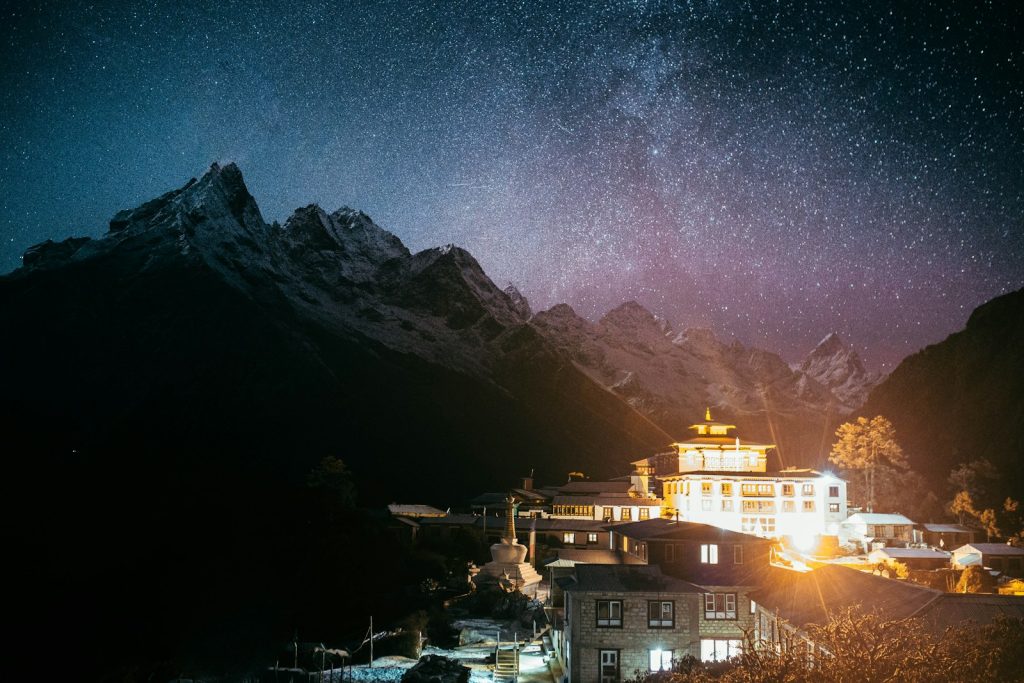
Trek to Tengboche Monastery (3,860 meters).
Tyangboche to Dingboche (4,260 m.).
Acclimatization at Dingboche (4,260 m.).
Dingboche to Lobuche (4,930 m.).
Lobuche to Everest Base Camp (5,364m.).
Hike up Kalapattar (5545 meters) to see the sunrise and panoramic view including of Everest then trek down to Pheriche (4,200 meter).
Trek to Namche Bazaar (3,441 meters).
Trek to Lukla (3,404 meters).
Flight from Lukla to Kathmandu in the morning.
Transfer to international Airport for your final flight departure.