
All filters

Annapurna Base Camp Trek vs. Everest Base Camp Trek: A Comparative Guide

Both the Annapurna Base Camp (ABC) Trek and the Everest Base Camp (EBC) Trek are iconic treks in Nepal, attracting trekkers from around the world with their stunning views and unique experiences. While both treks take you to base camps of two of the world’s highest peaks, they offer very different trekking experiences. Here’s a detailed comparison to help you decide which trek suits you better.

1. Trekking Difficulty

  • Annapurna Base Camp Trek (ABC):
    The ABC trek is considered moderately difficult. The maximum altitude reached on the trek is around 4,130 meters (13,550 feet) at the base camp, which is lower than the EBC trek. The trails are well-maintained, and the overall duration is shorter (around 7-12 days). This makes ABC a great option for beginners or trekkers looking for a slightly less strenuous trek.
  • Everest Base Camp Trek (EBC):
    The EBC trek is more challenging due to the higher altitude, with the base camp sitting at 5,364 meters (17,598 feet). The trek typically takes longer (12-14 days), and altitude-related issues such as Acute Mountain Sickness (AMS) become a concern at higher elevations. The terrain can be more rugged, and the trek generally requires better physical fitness and preparation.

2. Altitude and Acclimatization

  • Annapurna Base Camp Trek (ABC):
    The maximum altitude is lower, which makes the risk of altitude sickness lower. While acclimatization is still necessary, it’s not as critical as on the EBC trek, and the trek is suitable for trekkers who are not accustomed to high altitudes.
  • Everest Base Camp Trek (EBC):
    With a higher maximum altitude and more time spent at higher elevations, the EBC trek requires careful acclimatization. Trekkers are advised to take rest days to reduce the risk of altitude sickness. This trek is better suited for trekkers who are more accustomed to high altitudes or those willing to take the time for acclimatization.

3. Trekking Duration

  • Annapurna Base Camp Trek (ABC):
    The duration for the ABC trek is typically 7-12 days. It’s a shorter trek, making it ideal for those who want a relatively quick yet rewarding Himalayan experience.
  • Everest Base Camp Trek (EBC):
    The EBC trek usually takes around 12-14 days, depending on the route and acclimatization days. The extended trek duration is due to the higher altitude and the need for more acclimatization.

4. Scenery and Views

  • Annapurna Base Camp Trek (ABC):
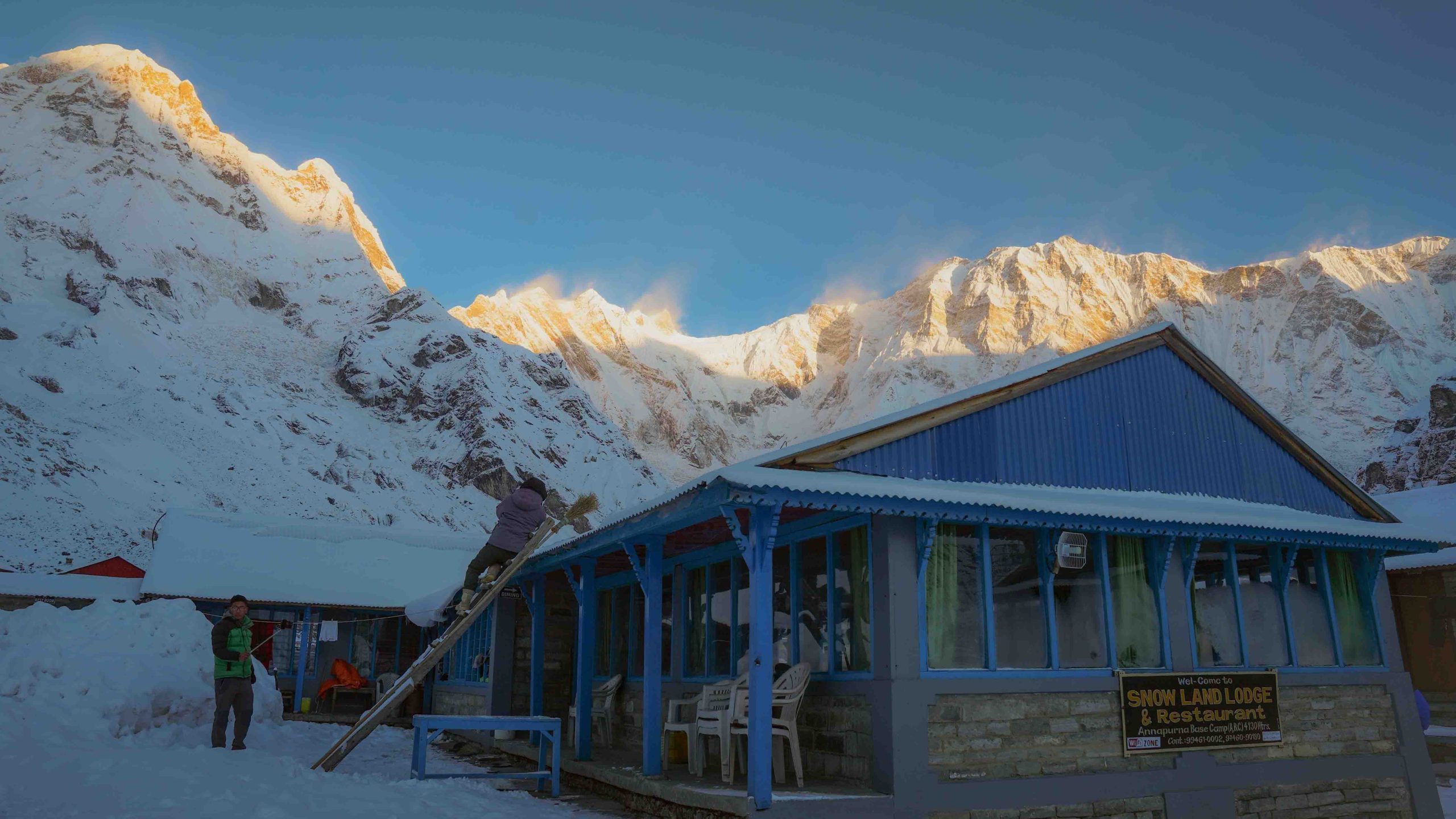
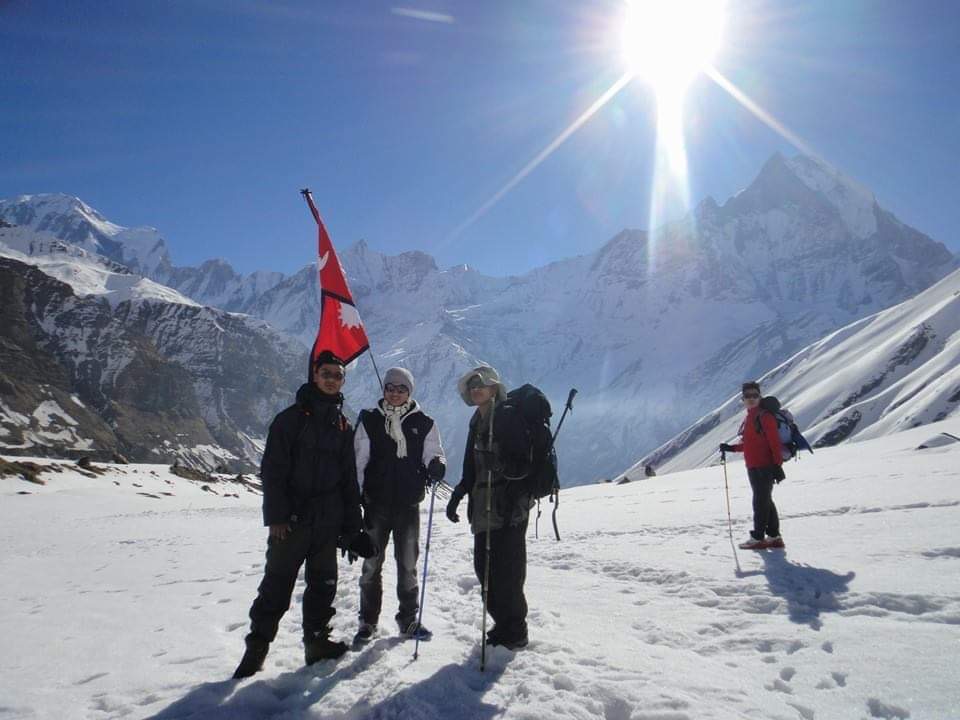
    The ABC trek offers stunning views of the Annapurna range, including Annapurna I (8,091m), Machapuchare (6,993m), and other peaks like Dhaulagiri. The trek goes through lush forests, traditional Gurung villages, terraced fields, and alpine meadows. As you get closer to base camp, the views become more dramatic with snow-capped peaks surrounding you.
  • Everest Base Camp Trek (EBC):
    The EBC trek offers an unparalleled experience of walking in the shadow of the world’s highest mountain, Mt. Everest. The views of Everest, Lhotse, Makalu, and other towering peaks are breathtaking. The trek also passes through Sherpa villages, Buddhist monasteries, and high-altitude landscapes. The iconic Khumbu Icefall and the majestic Everest itself provide a unique and awe-inspiring experience.

5. Trekking Trail and Terrain

  • Annapurna Base Camp Trek (ABC):
    The trail is generally well-maintained and suitable for trekkers of varying experience levels. You’ll walk through beautiful forests of rhododendron, oak, and pine, cross suspension bridges, and pass through traditional villages. The terrain is less rugged compared to the EBC trek, making it easier to navigate.
  • Everest Base Camp Trek (EBC):
    The EBC trek passes through more rugged terrain, including steep ascents and descents, rocky paths, and river crossings. You’ll traverse through Sherpa villages, glaciers, and rocky moraines, with the Khumbu Icefall being a notable feature. The terrain can be more challenging, especially as you get closer to base camp.

6. Cultural Experience

  • Annapurna Base Camp Trek (ABC):
    The ABC trek offers a great cultural experience as you pass through villages like Ghandruk, Chhomrong, and others, where you can learn about the culture of the Gurung and Magar people. The trek is a blend of natural beauty and cultural heritage, with opportunities to interact with locals and visit traditional teahouses.
  • Everest Base Camp Trek (EBC):
    The EBC trek offers a deep insight into Sherpa culture. You’ll pass through vibrant Sherpa villages such as Namche Bazaar and Tengboche, where you can visit Buddhist monasteries like Tengboche Monastery. The trek is culturally rich, with a strong emphasis on Tibetan Buddhist influences.

7. Accommodation and Facilities

  • Annapurna Base Camp Trek (ABC):
    The ABC trek is well-established with plenty of teahouses along the route. The facilities are generally comfortable, though basic, with shared rooms, and the food options are varied, catering to different tastes. The teahouses tend to have good amenities for trekkers.
  • Everest Base Camp Trek (EBC):
    The EBC trek also has teahouses along the route, but the higher up you go, the more basic the accommodations become. In some places like Gorak Shep, the accommodation can be quite basic and crowded. The food is typically Nepali or Sherpa-style, but options may become limited at higher altitudes.

8. Cost

  • Annapurna Base Camp Trek (ABC):
    The ABC trek is generally cheaper than the EBC trek. The cost of food, accommodation, and permits is lower, and the trek requires less logistical support.
  • Everest Base Camp Trek (EBC):
    The EBC trek is more expensive, as it involves a flight to Lukla, which is more costly, and the trekking permits are more expensive. Additionally, the overall cost of accommodation, food, and logistics may be higher, especially in the more remote areas closer to base camp.

Conclusion: Which Trek Should You Choose?

  • Go for the Annapurna Base Camp Trek if:
    • You’re looking for a shorter, moderate trek with stunning views and a mix of nature and culture.
    • You have less experience with high-altitude treks or want to avoid the risks of altitude sickness.
    • You want a trek with relatively easier trails and more accessible facilities.
  • Go for the Everest Base Camp Trek if:
    • You are an experienced trekker or want to challenge yourself with a higher-altitude trek.
    • You’re passionate about seeing Mount Everest up close and experiencing the iconic Khumbu region.
    • You have the time and are ready to invest in a longer and more expensive trek.

Both treks are incredible in their own right, offering unique experiences, but your choice will depend on your fitness level, time, budget, and what kind of trekking experience you’re seeking.
Essential Packing List for the Annapurna Base Camp Trek

The Annapurna Base Camp (ABC) Trek is a popular and stunning trek that offers breathtaking views of the Annapurna massif, Machapuchare, and other peaks. To fully enjoy this incredible experience, packing the right gear is crucial. Below is a comprehensive packing list to ensure you have everything you need for a successful and comfortable trek to Annapurna Base Camp.

1. Trekking Gear

  • Trekking Boots: A sturdy pair of waterproof trekking boots with good ankle support is essential for trekking on rocky and uneven terrain.
  • Gaiters: Useful for protecting your legs and boots from dirt, snow, or rain.
  • Trekking Poles: Adjustable trekking poles help with stability on steep ascents and descents and reduce strain on your knees.
  • Daypack: A lightweight daypack to carry your essentials like water, snacks, camera, and extra clothing while your main luggage is carried by porters.
  • Sleeping Bag: A 4-season sleeping bag rated for temperatures as low as -10°C (14°F) is necessary as nights can be cold, especially at higher altitudes.

2. Clothing

  • Base Layers: Moisture-wicking, breathable long-sleeve shirts and pants to keep sweat away from your skin. Merino wool or synthetic materials are ideal.
  • Insulating Layer: A fleece or down jacket for warmth during colder mornings and evenings.
  • Waterproof Jacket & Pants: A lightweight, breathable, and waterproof jacket and pants to protect you from rain and wind.
  • Trekking Pants: Comfortable, quick-drying pants for the trek. Convertible pants that can turn into shorts are also a good option.
  • Down Jacket: A lightweight down jacket to keep you warm in the evenings and at higher altitudes.
  • Hat & Gloves: A warm hat to protect your head from the cold and a sunhat to shield you from the sun. Thermal gloves are essential for cold evenings.
  • Buff or Scarf: A buff or neck gaiter can be very helpful for protecting your neck from the sun or keeping warm.

3. Accessories

  • Sunglasses: UV-protective sunglasses to shield your eyes from the strong sunlight at higher altitudes.
  • Sunblock: High SPF sunscreen to protect your skin from harmful UV rays.
  • Lip Balm: A moisturizing lip balm with SPF to prevent your lips from chapping.
  • Water Bottle or Hydration System: A reusable water bottle or Camelbak system to stay hydrated throughout the day.
  • Water Purification Tablets: Water can be sourced from local streams or teahouses, but bring purification tablets to ensure it’s safe to drink.
  • Headlamp: A reliable headlamp with extra batteries is important, especially for evening walks or power outages in the teahouses.
  • Camera: Don’t forget your camera to capture the majestic views of the Annapurna range, the lush forests, and the local villages.

4. Health & Safety

  • First Aid Kit: A small first aid kit with bandages, antiseptic cream, painkillers, blister treatment, and any personal medications.
  • Altitude Sickness Medication: Consult with your doctor before the trek to discuss altitude sickness prevention, including medications like Diamox.
  • Personal Hygiene Items: Biodegradable soap, hand sanitizer, wet wipes, and toilet paper (as many teahouses don’t provide toilet paper).
  • Insect Repellent: Mosquito repellent can be helpful, especially for the lower regions of the trek.
  • Tissues: Handy for personal hygiene, especially in areas where restrooms might be basic.

5. Important Documents

  • Passport: Make sure your passport is valid for at least six months after your arrival in Nepal.
  • Trekking Permits: You will need an Annapurna Conservation Area Permit (ACAP) and a TIMS (Trekking Information Management System) card, which can be arranged by your trekking agency or guide.
  • Travel Insurance: Ensure you have comprehensive travel insurance that covers trekking at high altitudes and emergency evacuation if necessary.

6. Miscellaneous

  • Snacks: High-energy snacks like energy bars, trail mix, nuts, and dried fruits to keep your energy up during the trek.
  • Chargers & Power Bank: Some teahouses have charging facilities, but it’s always wise to carry a power bank to keep your devices charged.
  • Money: Bring cash in Nepali rupees for paying for meals, snacks, and other small expenses. ATMs are only available in certain areas like Pokhara and Kathmandu, so make sure to withdraw enough money before heading into the mountains.
  • Dry Bags: Protect your electronics and valuables from water or moisture by using dry bags.

Conclusion

By packing smart and light, you’ll ensure a comfortable and enjoyable Annapurna Base Camp Trek. The weather can change quickly, so it’s essential to be prepared for all conditions, from sunny days to cold evenings. With the right gear and a good mindset, you’ll be ready to experience one of the most beautiful trekking routes in the world. Happy trekking!

Essential Packing List for the Everest Base Camp Trek

The Everest Base Camp Trek is one of the most iconic trekking routes in the world, offering breathtaking views of the Himalayas. To ensure you have a smooth and enjoyable journey, it’s crucial to pack wisely. Here’s a comprehensive packing list to help you prepare for your adventure to Everest Base Camp.

1. Trekking Gear

  • Trekking Boots: A good pair of waterproof, durable boots with ankle support is essential for the rocky, uneven terrain. Break them in before your trek to avoid blisters.
  • Gaiters: For protecting your legs and boots from dust, mud, and snow.
  • Socks: Bring multiple pairs of moisture-wicking and warm socks. Wool socks are a great option for insulation.
  • Trekking Poles: They help with balance, especially on steep ascents and descents.
  • Daypack: A small backpack to carry your essentials during the day while the main luggage is carried by porters.
  • Sleeping Bag: A 4-season sleeping bag rated for -20°C to -10°C (5°F to 14°F), as temperatures can drop significantly, especially at higher altitudes.

2. Clothing

  • Base Layers: Moisture-wicking long sleeve tops and bottoms to keep sweat away from your skin. Merino wool or synthetic materials are great options.
  • Insulating Layer: A fleece or down jacket for warmth in the evenings and early mornings.
  • Waterproof Jacket & Pants: The weather can change quickly in the mountains, so bring a reliable waterproof and windproof jacket and pants.
  • Trekking Pants: Quick-drying, lightweight pants that are comfortable for long hikes.
  • Hat & Gloves: A warm beanie for cold nights and a sun hat for the daytime. Don’t forget a pair of gloves to protect your hands from the cold.
  • Down Jacket: At higher altitudes, it can get extremely cold, so a down jacket is recommended for the evenings and mornings.

3. Accessories

  • Sunglasses: Protect your eyes from the harsh UV rays at higher altitudes with a good pair of UV-protective sunglasses.
  • Sunblock: Sunscreen with a high SPF to protect your skin from the strong sun at high altitudes.
  • Lip Balm: A good lip balm with SPF to avoid chapped lips.
  • Water Bottle: Carry a reusable water bottle or hydration system, such as a Camelbak, to stay hydrated throughout the day.
  • Water Purification Tablets: To treat water from teahouses or streams, ensuring it’s safe to drink.
  • Headlamp: A reliable headlamp with extra batteries is essential for trekking in the dark.
  • Camera: For capturing the stunning landscapes and memories along the way.

4. Health & Safety

  • First Aid Kit: Include band-aids, antiseptic cream, pain relievers, blister treatment, and any prescription medications you need.
  • Altitude Sickness Medication: Consult with your doctor before the trek about medication for preventing altitude sickness, such as Diamox.
  • Personal Hygiene Items: Biodegradable soap, hand sanitizer, wet wipes, and toilet paper. Remember that most teahouses don’t have toilet paper.
  • Insect Repellent: The higher altitudes are generally free from insects, but it’s useful to have some for the lower regions.

5. Important Documents

  • Passport: Ensure your passport is valid for at least six months after your planned arrival in Nepal.
  • Trekking Permits: You will need the Sagarmatha National Park Permit and the TIMS (Trekking Information Management System) card. Your guide or trekking agency will arrange these for you.
  • Travel Insurance: It’s important to have travel insurance that covers trekking at high altitudes, medical emergencies, and helicopter evacuation if necessary.

6. Miscellaneous

  • Snacks: Energy bars, trail mix, and other high-energy snacks will help keep you going during the long days of trekking.
  • Chargers & Power Bank: Most teahouses have charging facilities, but it’s a good idea to bring a portable power bank to keep your devices charged.
  • Money: Bring Nepali rupees for purchasing food, drinks, and other items along the trail. ATMs are only available in Lukla and Namche Bazaar.
  • Dry Bags: Protect your valuables and electronics from water with dry bags.

Conclusion

The key to a successful Everest Base Camp Trek is preparation, and packing the right gear is an essential part of that. By ensuring that you have all of the above items, you’ll be ready to take on the adventure and experience the majestic beauty of the Everest region comfortably and safely. Happy trekking!