Annapurna Trekking Poon Hill Trek
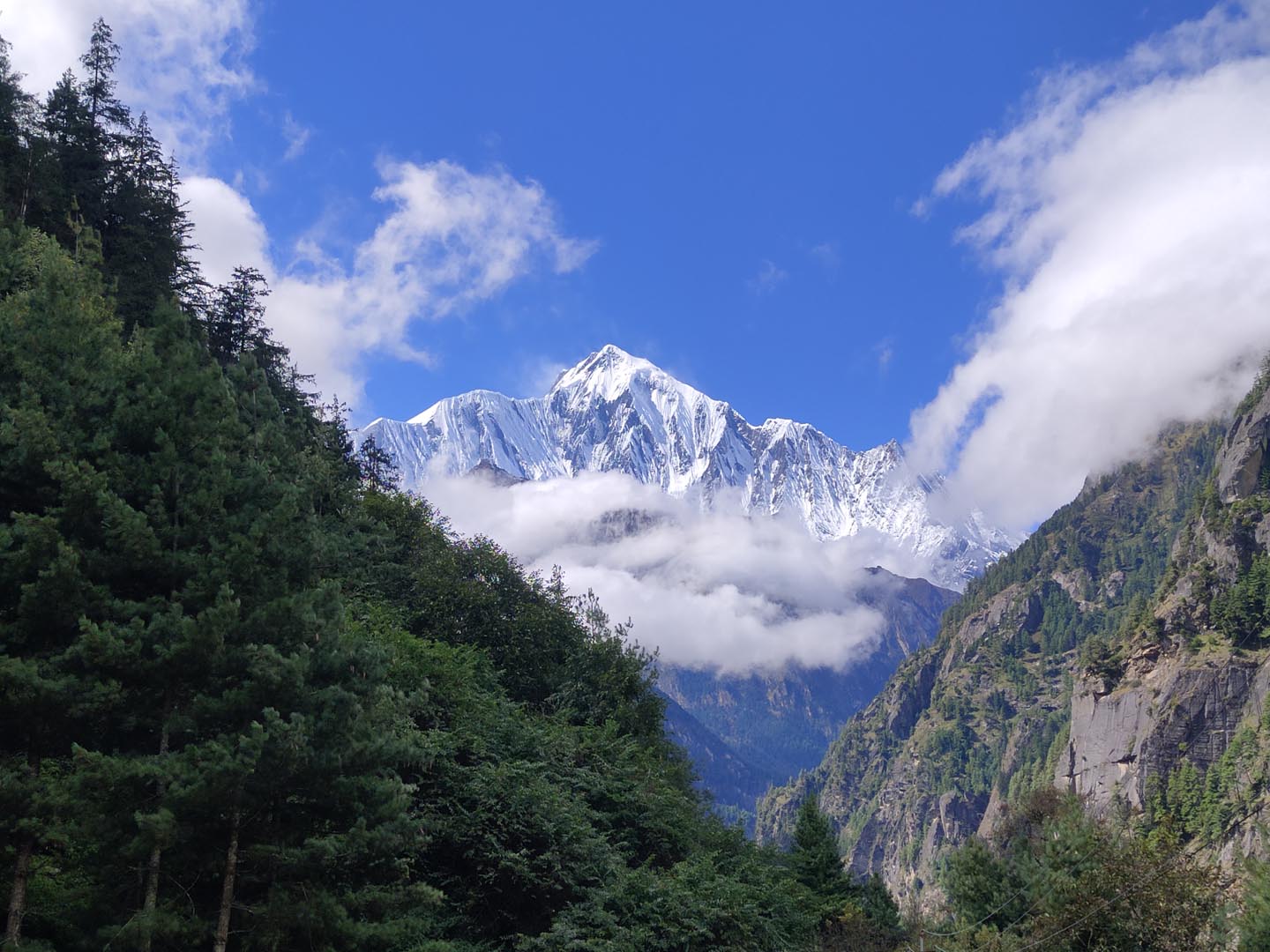
The Annapurna Poon Hill Trek is one of the most popular trekking routes in Nepal, known for its stunning mountain views, charming villages, and rich cultural experiences. This moderate trek offers a perfect combination of natural beauty and cultural immersion. Starting with a scenic flight to Pokhara, the journey progresses through lush forests, terraced fields, and traditional Gurung villages like Ghorepani, Tadapani, and Ghandruk.
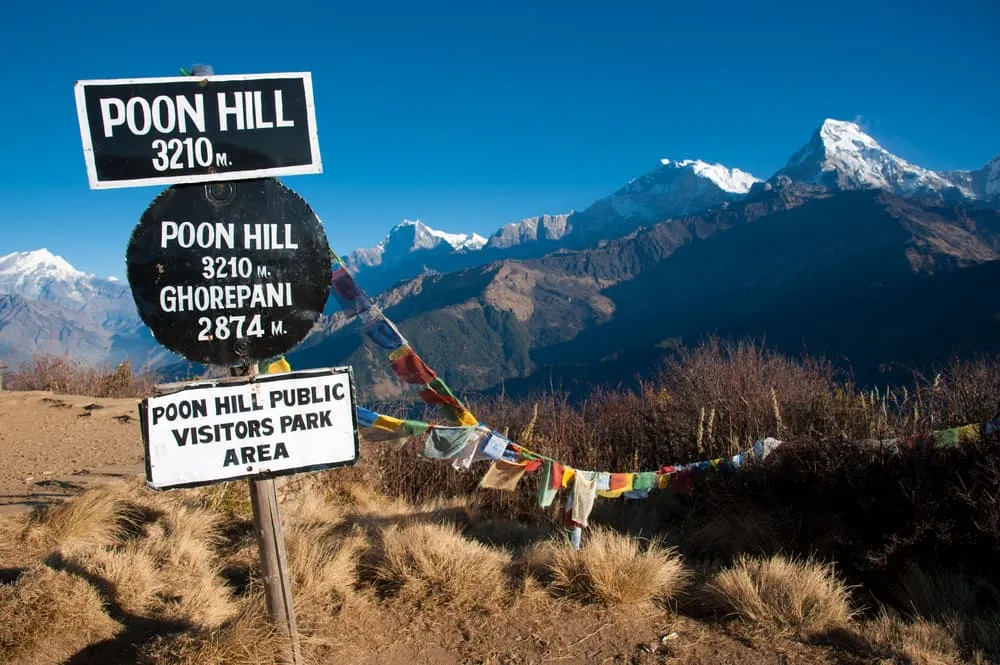
The highlight of the trek is reaching Poon Hill (3,210 meters) at sunrise, where trekkers are rewarded with a panoramic view of the Annapurna and Dhaulagiri mountain ranges. The trek provides an opportunity to witness the traditional lifestyle of the local communities while exploring beautiful landscapes and diverse flora and fauna. With a relatively short duration of 6 days, this trek is ideal for both beginners and those looking to experience the Himalayan beauty without challenging high-altitude climbs.
The trek is suitable for people of all fitness levels, with moderate daily walking hours and the support of experienced guides. Whether you’re seeking adventure, tranquility, or a mix of both, the Annapurna Poon Hill Trek offers an unforgettable experience.
Trekking Permits
To trek in the Annapurna region, you will need two permits: the Annapurna Conservation Area Permit (ACAP) and the Trekkers’ Information Management System (TIMS) card. These permits can be obtained in Pokhara or Kathmandu before you start your trek. They are required to ensure the preservation of the Annapurna region and to provide safety for trekkers.
Altitude Considerations
While the maximum altitude on the Poon Hill trek is 3,210 meters, altitude sickness can still be a concern. It is important to acclimatize properly, stay hydrated, and take it slow to minimize the risks. The trek is designed to allow proper acclimatization with gradual ascents.
Weather and Best Time to Trek
The best times for trekking in the Annapurna region are during the spring (March to May) and autumn (September to November) seasons. During these periods, the weather is clear, and the temperature is moderate, offering the best visibility of the mountain ranges. Winter (December to February) can be cold, and some areas may be snowy, while the monsoon season (June to August) brings heavy rain, making trekking difficult.
Guides and Porters
Hiring a guide is recommended for a more comfortable and enriching experience. A guide will help with navigation, cultural insights, and communication with locals. Porters can also be hired to carry your belongings, allowing you to enjoy the trek without worrying about heavy loads.
Accommodation
The trekking route is well-equipped with tea houses and lodges offering basic yet comfortable accommodations. These tea houses provide food and water, as well as a place to rest. The rooms are basic, typically with a bed and shared bathrooms.
Packing Essentials
Packing light is key for this trek, but you should ensure that you have the right gear for varying weather conditions. Essential items include comfortable trekking shoes, a waterproof jacket, warm clothing, a hat, sunscreen, a sleeping bag, a first aid kit, and a camera to capture the stunning landscapes.
Health and Safety
Always carry a basic first aid kit, including any necessary medications. It’s also advisable to have travel insurance that covers medical emergencies and evacuation. Stay hydrated, and if you experience any symptoms of altitude sickness, descend immediately and seek medical attention.
Cultural Etiquette
Respect the local culture and traditions, especially when visiting villages and monasteries. Always ask for permission before taking photos of people or religious sites. Dress modestly and be polite in your interactions with the local communities.
Depart early in the morning by flight at 7:30 AM to Pokhara. Upon arrival in Pokhara, meet your guide at the airport. Transfer by taxi to Nayapul with your guide, then begin trekking to Hille (1,475 meters) for a 4-hour trek. Overnight stay in a lodge.
After an early breakfast, start your trek to Ulleri, a 2-hour walk. Enjoying the view of Mt. Machapuchare, you will continue your journey to Ghorepani (2,750 meters), with a total trekking duration of around 6 hours.
Very early in the morning, head out to catch the stunning sunrise at Poon Hill (3,210 meters). Experience the panoramic view of the Annapurna range (8,091 meters) and Mt. Dhaulagiri (8,167 meters). Afterward, return to the lodge for breakfast, then trek to Tadapani (2,590 meters). Stay overnight in Tadapani.
Trek from Tadapani to Ghandruk, which will take approximately 5 hours. Ghandruk is a beautiful Gurung village with scenic views.
After breakfast, take a jeep transfer to Pokhara. Enjoy sightseeing in Pokhara and stay overnight in a hotel.
1. What is the best time to go on this trek?
The best time for this trek is during the spring (March to May) and autumn (September to November) seasons. These months offer clear weather, pleasant temperatures, and great visibility of the mountains.
2. How difficult is this trek?
This trek is considered moderate in difficulty. It involves steady ascents and descents, with some challenging uphill climbs, but it's suitable for beginners with good physical fitness and a bit of prior trekking experience.
3. Do I need a guide and porter for this trek?
While it's possible to trek independently, it's highly recommended to hire a guide for navigation and safety. A porter can also be hired to carry your luggage, making the trek easier and more enjoyable.
4. What type of accommodation is available during the trek?
Accommodation is provided in basic lodges (tea houses) along the route. These lodges offer simple rooms with basic amenities, including a bed, blanket, and shared bathroom facilities.
5. Is there a risk of altitude sickness on this trek?
The trek's maximum altitude is around 3,210 meters at Poon Hill. While the altitude is relatively moderate, there is still a slight risk of altitude sickness. It's important to stay hydrated, take rest days if needed, and listen to your body.
6. What type of meals are available during the trek?
Meals during the trek typically include traditional Nepali dishes like dal bhat (lentil soup with rice), momo (dumplings), noodles, soups, and some Western options such as pasta or pancakes. Tea houses provide these meals along the route.
7. What should I pack for the trek?
Packing essentials include warm clothing, sturdy trekking shoes, a sleeping bag, water bottles, sunscreen, a hat, a first aid kit, a rain jacket, and a camera for capturing the stunning views. It’s important to pack light but ensure you have everything you need for comfort and safety.
8. How long will the trek take?
The trek lasts for 6 days, with daily trekking durations ranging from 4 to 6 hours. You will also have rest days for acclimatization and relaxation.
9. Is it safe to trek in Nepal?
Yes, trekking in Nepal is generally safe, especially with an experienced guide. However, it's important to follow safety guidelines, stay hydrated, take acclimatization breaks, and ensure your travel insurance covers emergency situations.
10. Can I get a refund if I need to cancel my trip?
Cancellation policies vary depending on the trekking company. It's best to check the specific terms and conditions at the time of booking. Typically, cancellations made well in advance may offer partial refunds.