Both the Annapurna Base Camp (ABC) Trek and the Everest Base Camp (EBC) Trek are iconic treks in Nepal, attracting trekkers from around the world with their stunning views and unique experiences. While both treks take you to base camps of two of the world’s highest peaks, they offer very different trekking experiences. Here’s a detailed comparison to help you decide which trek suits you better.
1. Trekking Difficulty
- Annapurna Base Camp Trek (ABC):
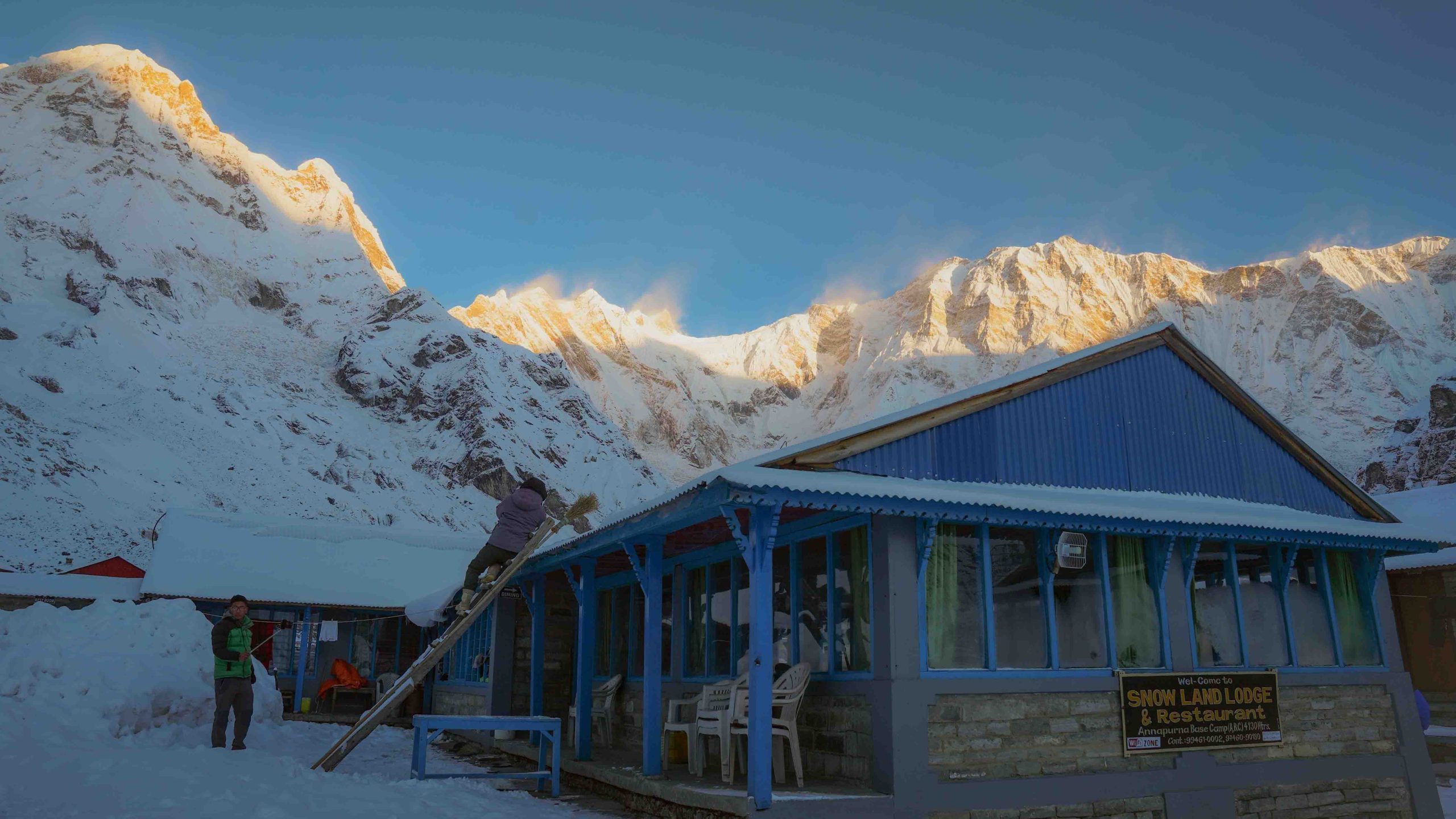
The ABC trek is considered moderately difficult. The maximum altitude reached on the trek is around 4,130 meters (13,550 feet) at the base camp, which is lower than the EBC trek. The trails are well-maintained, and the overall duration is shorter (around 7-12 days). This makes ABC a great option for beginners or trekkers looking for a slightly less strenuous trek. - Everest Base Camp Trek (EBC):
The EBC trek is more challenging due to the higher altitude, with the base camp sitting at 5,364 meters (17,598 feet). The trek typically takes longer (12-14 days), and altitude-related issues such as Acute Mountain Sickness (AMS) become a concern at higher elevations. The terrain can be more rugged, and the trek generally requires better physical fitness and preparation.
2. Altitude and Acclimatization
- Annapurna Base Camp Trek (ABC):
The maximum altitude is lower, which makes the risk of altitude sickness lower. While acclimatization is still necessary, it’s not as critical as on the EBC trek, and the trek is suitable for trekkers who are not accustomed to high altitudes. - Everest Base Camp Trek (EBC):
With a higher maximum altitude and more time spent at higher elevations, the EBC trek requires careful acclimatization. Trekkers are advised to take rest days to reduce the risk of altitude sickness. This trek is better suited for trekkers who are more accustomed to high altitudes or those willing to take the time for acclimatization.
3. Trekking Duration
- Annapurna Base Camp Trek (ABC):
The duration for the ABC trek is typically 7-12 days. It’s a shorter trek, making it ideal for those who want a relatively quick yet rewarding Himalayan experience. - Everest Base Camp Trek (EBC):
The EBC trek usually takes around 12-14 days, depending on the route and acclimatization days. The extended trek duration is due to the higher altitude and the need for more acclimatization.
4. Scenery and Views
- Annapurna Base Camp Trek (ABC):
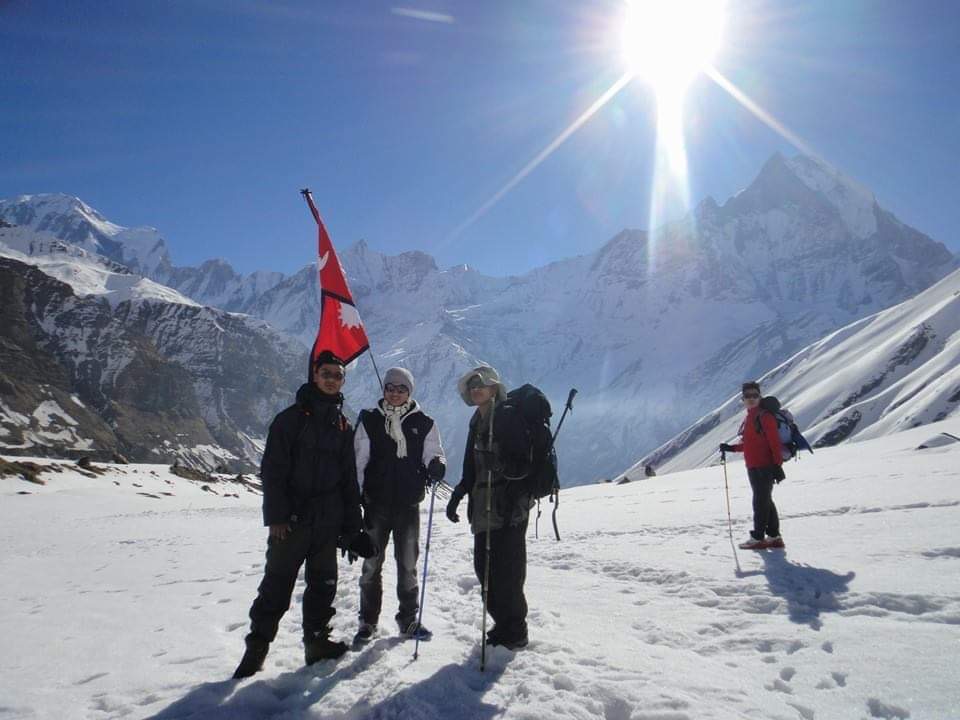
The ABC trek offers stunning views of the Annapurna range, including Annapurna I (8,091m), Machapuchare (6,993m), and other peaks like Dhaulagiri. The trek goes through lush forests, traditional Gurung villages, terraced fields, and alpine meadows. As you get closer to base camp, the views become more dramatic with snow-capped peaks surrounding you. - Everest Base Camp Trek (EBC):
The EBC trek offers an unparalleled experience of walking in the shadow of the world’s highest mountain, Mt. Everest. The views of Everest, Lhotse, Makalu, and other towering peaks are breathtaking. The trek also passes through Sherpa villages, Buddhist monasteries, and high-altitude landscapes. The iconic Khumbu Icefall and the majestic Everest itself provide a unique and awe-inspiring experience.
5. Trekking Trail and Terrain
- Annapurna Base Camp Trek (ABC):
The trail is generally well-maintained and suitable for trekkers of varying experience levels. You’ll walk through beautiful forests of rhododendron, oak, and pine, cross suspension bridges, and pass through traditional villages. The terrain is less rugged compared to the EBC trek, making it easier to navigate. - Everest Base Camp Trek (EBC):
The EBC trek passes through more rugged terrain, including steep ascents and descents, rocky paths, and river crossings. You’ll traverse through Sherpa villages, glaciers, and rocky moraines, with the Khumbu Icefall being a notable feature. The terrain can be more challenging, especially as you get closer to base camp.
6. Cultural Experience
- Annapurna Base Camp Trek (ABC):
The ABC trek offers a great cultural experience as you pass through villages like Ghandruk, Chhomrong, and others, where you can learn about the culture of the Gurung and Magar people. The trek is a blend of natural beauty and cultural heritage, with opportunities to interact with locals and visit traditional teahouses. - Everest Base Camp Trek (EBC):
The EBC trek offers a deep insight into Sherpa culture. You’ll pass through vibrant Sherpa villages such as Namche Bazaar and Tengboche, where you can visit Buddhist monasteries like Tengboche Monastery. The trek is culturally rich, with a strong emphasis on Tibetan Buddhist influences.
7. Accommodation and Facilities
- Annapurna Base Camp Trek (ABC):
The ABC trek is well-established with plenty of teahouses along the route. The facilities are generally comfortable, though basic, with shared rooms, and the food options are varied, catering to different tastes. The teahouses tend to have good amenities for trekkers. - Everest Base Camp Trek (EBC):
The EBC trek also has teahouses along the route, but the higher up you go, the more basic the accommodations become. In some places like Gorak Shep, the accommodation can be quite basic and crowded. The food is typically Nepali or Sherpa-style, but options may become limited at higher altitudes.
8. Cost
- Annapurna Base Camp Trek (ABC):
The ABC trek is generally cheaper than the EBC trek. The cost of food, accommodation, and permits is lower, and the trek requires less logistical support. - Everest Base Camp Trek (EBC):
The EBC trek is more expensive, as it involves a flight to Lukla, which is more costly, and the trekking permits are more expensive. Additionally, the overall cost of accommodation, food, and logistics may be higher, especially in the more remote areas closer to base camp.
Conclusion: Which Trek Should You Choose?
- Go for the Annapurna Base Camp Trek if:
- You’re looking for a shorter, moderate trek with stunning views and a mix of nature and culture.
- You have less experience with high-altitude treks or want to avoid the risks of altitude sickness.
- You want a trek with relatively easier trails and more accessible facilities.
- Go for the Everest Base Camp Trek if:
- You are an experienced trekker or want to challenge yourself with a higher-altitude trek.
- You’re passionate about seeing Mount Everest up close and experiencing the iconic Khumbu region.
- You have the time and are ready to invest in a longer and more expensive trek.
Both treks are incredible in their own right, offering unique experiences, but your choice will depend on your fitness level, time, budget, and what kind of trekking experience you’re seeking.