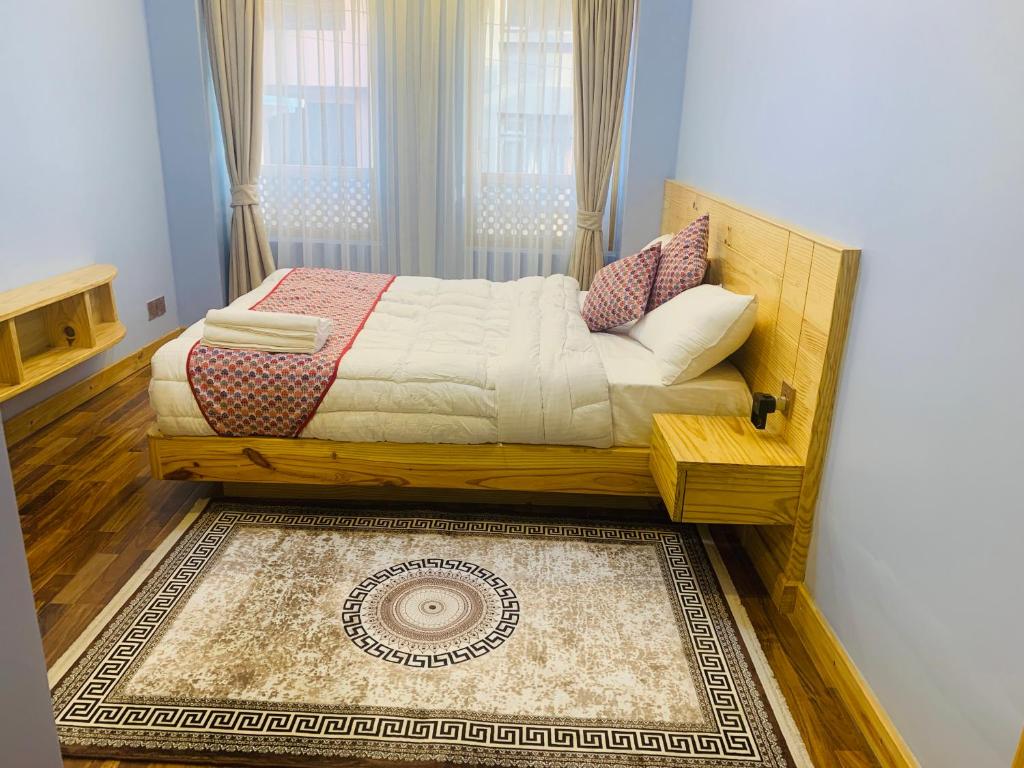
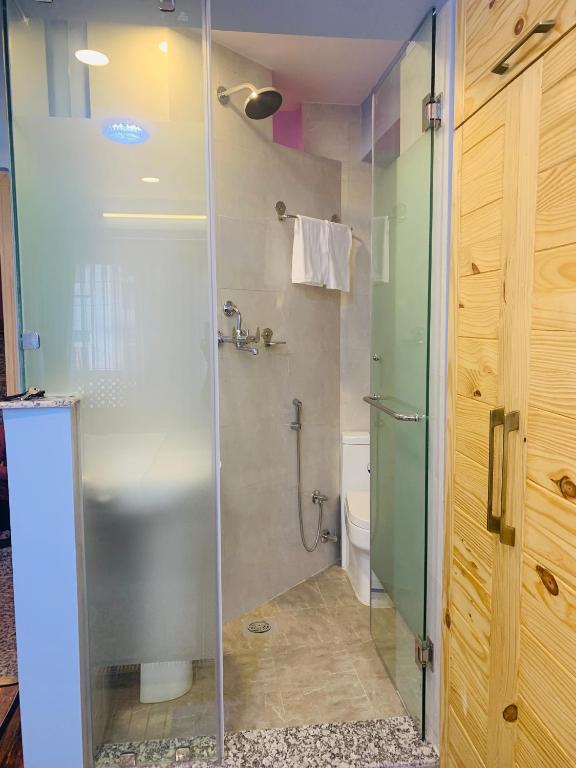
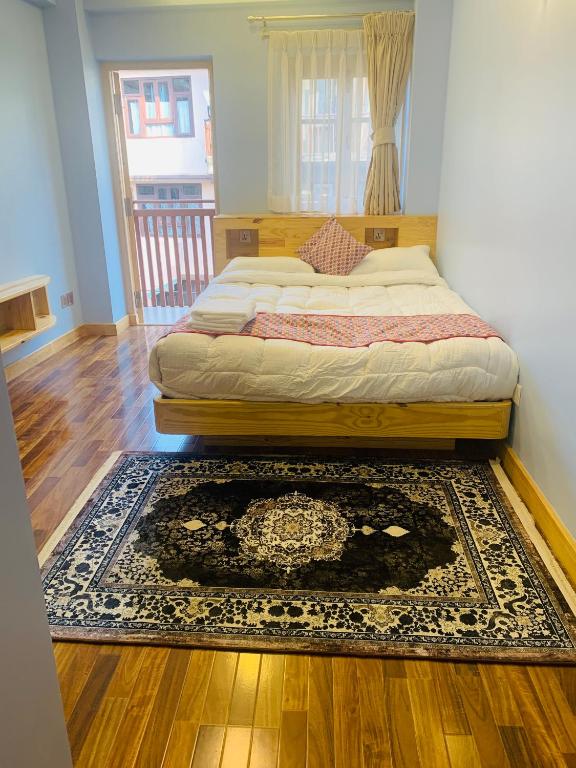
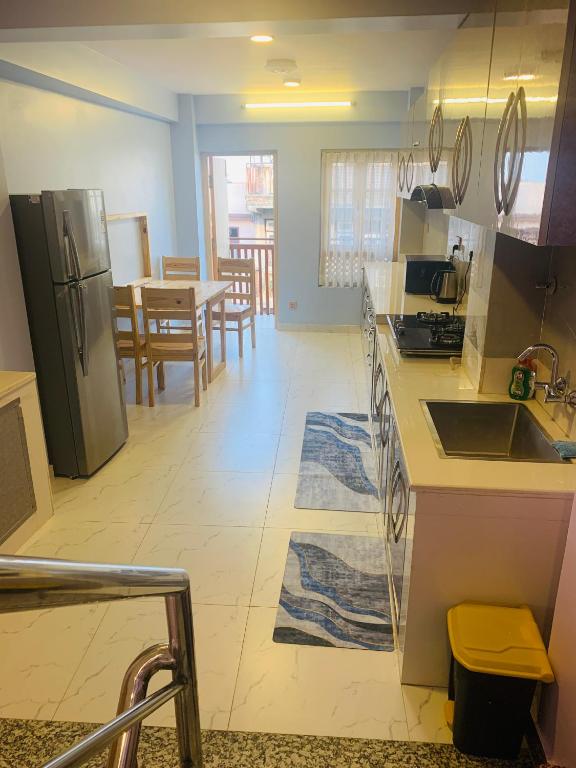
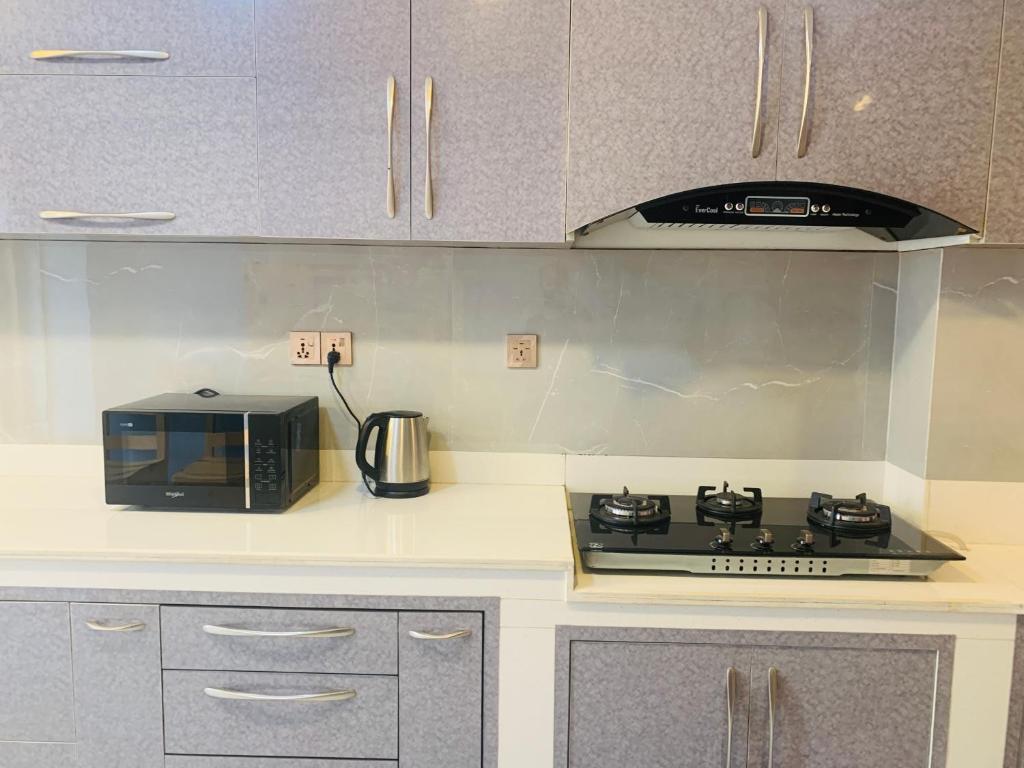
( CHIBA HERITAGE HOME )
At Chiba Heritage Home, guests are invited to indulge in a unique blend of relaxation and entertainment, highlighted by the exquisite salon facilities available on-site. This serene space offers a tranquil atmosphere where visitors can unwind and rejuvenate after a day of exploring the vibrant city of Kathmandu. The skilled professionals at the salon are dedicated to providing a range of services, from soothing massages to revitalizing beauty treatments, ensuring that every guest leaves feeling refreshed and pampered. The salon at Chiba Heritage Home is not just a place for personal care; it is an experience designed to enhance your stay. With a menu that caters to both men and women, guests can enjoy everything from haircuts and styling to facials and manicures. Whether you’re preparing for a special occasion or simply wish to indulge in some self-care, the salon’s inviting ambiance and expert staff create the perfect environment for relaxation. Immerse yourself in the luxurious offerings of Chiba Heritage Home, and let the stresses of travel melt away as you embrace the art of pampering.
Accommodation
During the Langtang Valley Trek, accommodation is provided in basic tea houses and lodges along the route. These offer a simple yet comfortable stay, with beds, blankets, and meals available. As you ascend to higher altitudes, the facilities become more basic, but they remain functional. In higher areas like Kyanjin Gompa, the accommodation is limited, and the rooms may be shared.
Food and Water
Tea houses along the trek offer a variety of food options, including traditional Nepali meals such as Dal Bhat (lentil soup with rice) and international dishes like noodles, soups, and pasta. It’s important to stay hydrated, and bottled water or boiled water is available at the tea houses. However, it’s recommended to carry a water filter or purification tablets for additional safety.
Altitude and Acclimatization
The Langtang Valley Trek reaches an altitude of 4,773 meters at Kyanjin Ri, and trekkers should be mindful of altitude sickness. Proper acclimatization is essential to prevent altitude-related illnesses. Taking rest days and ascending slowly will help your body adjust. The trek’s gradual ascent allows for effective acclimatization, but it’s still advisable to consult with a guide and take precautions.
Safety and Insurance
Travel insurance is highly recommended for the Langtang Valley Trek, covering medical emergencies, trip cancellations, and evacuation costs. While the trek is not particularly technical, you should still take proper precautions, including carrying a first-aid kit and ensuring you are physically prepared for the challenges of high-altitude trekking.
Guides and Porters
Although the trek can be completed without a guide, hiring one is highly recommended. A guide will assist with navigation, provide insights into the local culture and environment, and ensure safety throughout the trek. A porter can be hired to carry heavy luggage, reducing physical strain and allowing you to focus on the journey.
Best Time to Trek
The best time for the Langtang Valley Trek is during the spring (March to May) and autumn (September to November) seasons. During these months, the weather is generally clear, with moderate temperatures and minimal rainfall. Winter (December to February) can be too cold, especially at higher altitudes, while the monsoon season (June to August) brings heavy rains, which can make the trails slippery and challenging.
Permits and Regulations
To trek in the Langtang Valley, you will need two permits: the Langtang National Park Permit and the TIMS (Trekkers’ Information Management System) card. These can be obtained in Kathmandu before starting the trek. It’s essential to carry these documents as you will need to show them at checkpoints along the route.
Drive from Kathmandu to Syabru Besi by bus, a 7-hour journey. Overnight stay at a lodge.
Trek from Syabru Besi to Lama Hotel (2,480 meters), which takes around 5.5 hours. Overnight stay at a lodge.
Trek from Lama Hotel to Langtang (3,541 meters), a 5-hour journey. Overnight stay at a lodge.
Trek from Langtang Village to Kyanjin Ri (4,773 meters), which takes about 5 hours. Overnight stay at a lodge.
Morning trek to Kyanjin Ri and return to Kyanjin Gompa, a 5-hour trek. Stay overnight at a lodge.
Early morning trek from Kyanjin Gompa to Chorkha Ri (5,050 meters), taking around 6 hours. Stay overnight at a lodge.
The final trek back to Syabru Besi, a 4.5-hour journey. Overnight stay at a lodge.
1. How long does the Langtang Valley Trek take?
The Langtang Valley Trek typically takes 7 to 8 days, depending on the route and the pace of trekking.
2. What is the highest altitude reached on the trek?
The highest point reached on the Langtang Valley Trek is Kyanjin Ri at an altitude of 4,773 meters (15,659 feet).
3. Do I need a permit for the Langtang Valley Trek?
Yes, you will need two permits: the Langtang National Park Permit and the TIMS (Trekkers' Information Management System) card, which can be obtained in Kathmandu.
4. What is the best time to go for the Langtang Valley Trek?
The best time for the trek is during the spring (March to May) and autumn (September to November) months when the weather is most stable and the skies are clear for stunning mountain views.
5. Is the Langtang Valley Trek difficult?
The Langtang Valley Trek is considered moderate in difficulty. While it doesn't require technical climbing skills, the altitude and long days of walking can be challenging.
6. What type of accommodation can I expect during the trek?
Accommodation along the Langtang Valley Trek is typically in tea houses or lodges. They offer basic facilities, including a bed, blanket, and meals. The higher up you go, the more basic the facilities become.
7. What should I pack for the Langtang Valley Trek?
You should pack lightweight trekking boots, warm clothing (layers), a sleeping bag, trekking poles, and personal items such as sunscreen, water bottles, and a first-aid kit. A down jacket and waterproof gear are also recommended.
8. Is it necessary to hire a guide or porter?
While it’s not mandatory, hiring a guide is highly recommended, especially for navigation, safety, and understanding the local culture. A porter can also help carry heavy bags, making the trek easier.
9. Will I have access to internet or phone service during the trek?
Phone signals are available in certain parts of the trek, particularly in lower areas. However, internet access can be limited and slower as you ascend. Some lodges offer Wi-Fi for a small fee.
10. How can I prepare for the Langtang Valley Trek?
Physical preparation is key for a successful trek. Regular cardiovascular exercises such as walking, running, or hiking, along with strength training for your legs and core, will help you build the stamina needed for the trek.