
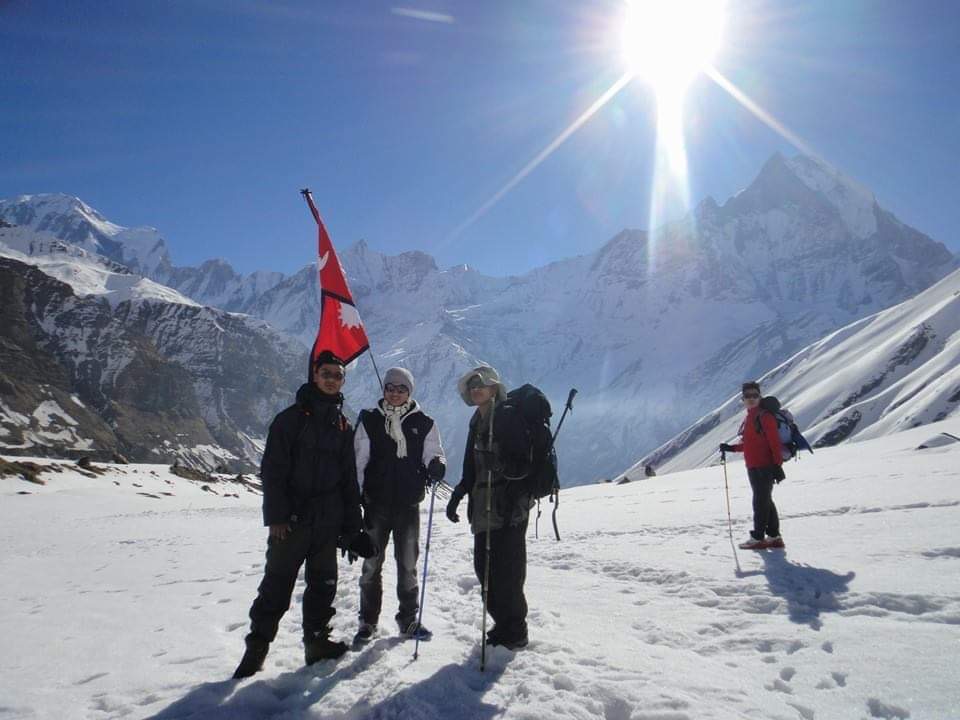

Essential Packing List for the Everest Base Camp Trek
Essential Packing List for the Everest Base Camp Trek
The Everest Base Camp Trek is one of the most iconic trekking routes in the world, offering breathtaking views of the Himalayas. To ensure you have a smooth and enjoyable journey, it’s crucial to pack wisely. Here’s a comprehensive packing list to help you prepare for your adventure to Everest Base Camp.
1. Trekking Gear
- Trekking Boots: A good pair of waterproof, durable boots with ankle support is essential for the rocky, uneven terrain. Break them in before your trek to avoid blisters.
- Gaiters: For protecting your legs and boots from dust, mud, and snow.
- Socks: Bring multiple pairs of moisture-wicking and warm socks. Wool socks are a great option for insulation.
- Trekking Poles: They help with balance, especially on steep ascents and descents.
- Daypack: A small backpack to carry your essentials during the day while the main luggage is carried by porters.
- Sleeping Bag: A 4-season sleeping bag rated for -20°C to -10°C (5°F to 14°F), as temperatures can drop significantly, especially at higher altitudes.
2. Clothing
- Base Layers: Moisture-wicking long sleeve tops and bottoms to keep sweat away from your skin. Merino wool or synthetic materials are great options.
- Insulating Layer: A fleece or down jacket for warmth in the evenings and early mornings.
- Waterproof Jacket & Pants: The weather can change quickly in the mountains, so bring a reliable waterproof and windproof jacket and pants.
- Trekking Pants: Quick-drying, lightweight pants that are comfortable for long hikes.
- Hat & Gloves: A warm beanie for cold nights and a sun hat for the daytime. Don’t forget a pair of gloves to protect your hands from the cold.
- Down Jacket: At higher altitudes, it can get extremely cold, so a down jacket is recommended for the evenings and mornings.
3. Accessories
- Sunglasses: Protect your eyes from the harsh UV rays at higher altitudes with a good pair of UV-protective sunglasses.
- Sunblock: Sunscreen with a high SPF to protect your skin from the strong sun at high altitudes.
- Lip Balm: A good lip balm with SPF to avoid chapped lips.
- Water Bottle: Carry a reusable water bottle or hydration system, such as a Camelbak, to stay hydrated throughout the day.
- Water Purification Tablets: To treat water from teahouses or streams, ensuring it’s safe to drink.
- Headlamp: A reliable headlamp with extra batteries is essential for trekking in the dark.
- Camera: For capturing the stunning landscapes and memories along the way.
4. Health & Safety
- First Aid Kit: Include band-aids, antiseptic cream, pain relievers, blister treatment, and any prescription medications you need.
- Altitude Sickness Medication: Consult with your doctor before the trek about medication for preventing altitude sickness, such as Diamox.
- Personal Hygiene Items: Biodegradable soap, hand sanitizer, wet wipes, and toilet paper. Remember that most teahouses don’t have toilet paper.
- Insect Repellent: The higher altitudes are generally free from insects, but it’s useful to have some for the lower regions.
5. Important Documents
- Passport: Ensure your passport is valid for at least six months after your planned arrival in Nepal.
- Trekking Permits: You will need the Sagarmatha National Park Permit and the TIMS (Trekking Information Management System) card. Your guide or trekking agency will arrange these for you.
- Travel Insurance: It’s important to have travel insurance that covers trekking at high altitudes, medical emergencies, and helicopter evacuation if necessary.
6. Miscellaneous
- Snacks: Energy bars, trail mix, and other high-energy snacks will help keep you going during the long days of trekking.
- Chargers & Power Bank: Most teahouses have charging facilities, but it’s a good idea to bring a portable power bank to keep your devices charged.
- Money: Bring Nepali rupees for purchasing food, drinks, and other items along the trail. ATMs are only available in Lukla and Namche Bazaar.
- Dry Bags: Protect your valuables and electronics from water with dry bags.
Conclusion
The key to a successful Everest Base Camp Trek is preparation, and packing the right gear is an essential part of that. By ensuring that you have all of the above items, you’ll be ready to take on the adventure and experience the majestic beauty of the Everest region comfortably and safely. Happy trekking!